

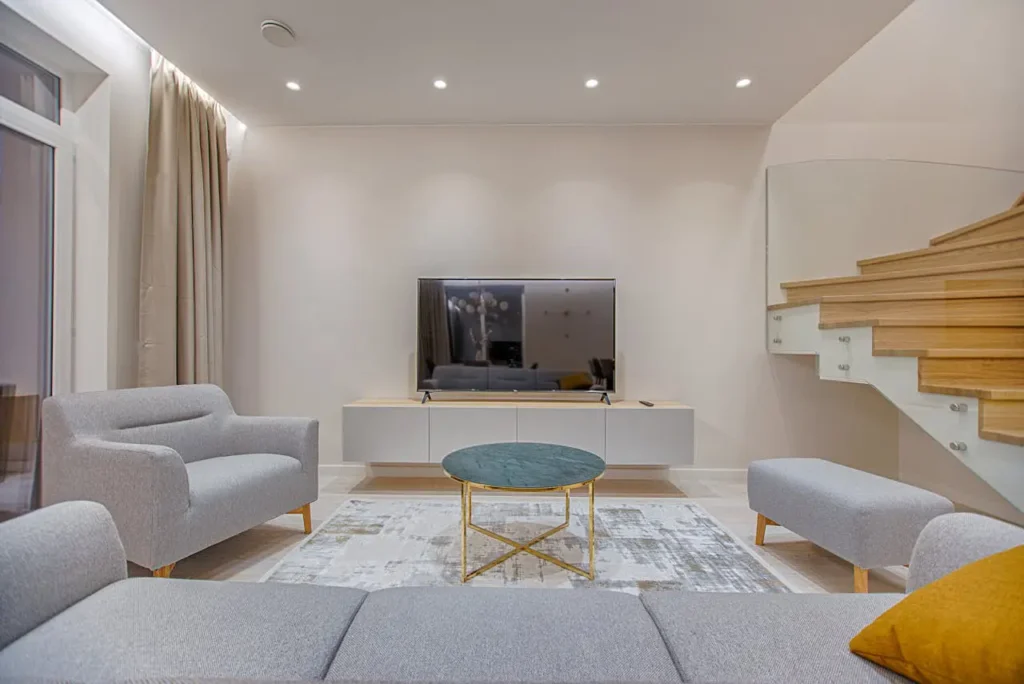
Frameless glass balustrades are a hallmark of modern Australian architecture, offering clean lines, open views and maximum light. However, under Australian Standards, their installation must meet strict safety and compliance requirements to ensure structural integrity and user protection.
Frameless balustrades, in particular, achieve a minimalist aesthetic by removing bulky posts and rails. But this sleek appearance comes with added responsibility: selecting the right glass, using compliant installation methods, and considering structural loads. In Victoria, builders, architects and homeowners must follow these standards and seek expert advice to achieve both style and safety.
Meeting Australian Standards: Frameless Glass Balustrade Safety and Installation
The primary concern for frameless glass is safety. While toughened laminated safety glass or monolithic toughened glass provides strength, improper installation can pose risks. Glass balustrade installation requires careful planning around floor levels, adjoining levels, and areas with high pedestrian traffic.
Key safety measures include:
- Using safety glass: Toughened laminated glass or heat-strengthened laminated glass minimises breakage risks and prevents injuries.
- Handrails and support systems: Even frameless balustrades may incorporate discreet handrails or structural support to enhance safety.
- Regular maintenance and inspection: Checking existing outlets, clamping systems and infill panels ensures ongoing structural integrity.
- Independent engineering advice: For complex installs or unique structures, it’s essential to seek independent engineering advice.
In pool areas or outdoor spaces, weatherproof powerpoints and careful consideration of structural loads are essential. Safety is not optional; it is a regulatory requirement in Victoria, with building certifiers closely scrutinising installations to ensure compliance with safety standards.
Regulatory Framework
In Australia, frameless glass balustrade installations are regulated under the National Construction Code (NCC) and relevant Australian Standards, particularly AS 1288:2021, which provides guidance on glass selection, thickness and installation methods. The Australian Building Codes Board (ABCB) oversees compliance and ensures that all building work aligns with these safety standards.
For more complex designs or performance solutions, it is often necessary to seek independent engineering advice or obtain site-specific engineering certification. Building certifiers and retained engineers ensure that structural loads, maximum deflection and serviceability limit states are all addressed.
In practice, this means:
- Independent site-specific engineering for unique architectural designs.
- Structural balustrades that account for live and wind loads.
- Clarification on performance solutions if standard methods cannot be used.
Victorian regulations also highlight the importance of compliance in areas such as pool fencing, adjoining floor levels and high-traffic zones. Importantly, any works relating to balustrade installation must satisfy the safety standards before a building certifier will approve occupancy.
Technical Specifications
A frameless glass balustrade is more than just a panel of glass; it is a structural component subject to strict technical requirements. Key specifications include:
- Glass type: Toughened laminated, heat-strengthened laminated, or monolithic toughened glass, depending on load and location.
- Minimum thickness: Usually 10mm or more, depending on height and application.
- Installation methods: Options include dry glaze channels, grouted channels, and clamping actions similar to spigot fittings.
- Infill panels and point fixings: Must meet maximum deflection and serviceability limit state criteria.
Selecting the right frameless glass, combined with proper balustrade design and engineering advice, ensures durability and compliance. Attention to these technical details is non-negotiable when upgrading an older home, installing new balustrades during renovations or designing a commercial building.
Achieving Compliance
Compliance is not a one-off task.
It involves:
- Retaining qualified and licensed electricians or glaziers for the installation of glass.
- Independent site-specific engineering to verify load-bearing capacity.
- Consultation with a building certifier to satisfy local and national regulations.
Restricting access to non-compliant balustrades and ensuring proper maintenance are also essential for long-term safety. Performance solutions must be documented, and all decisions must seek clarification from engineers or certifiers before installation begins.
Implementation & Updates
2025 brings subtle but important changes to Australian Standards. AS 1288:2021 introduces clearer guidelines for laminated glass selection, load testing and deflection limits, while Victorian building authorities emphasise the need for site-specific performance solutions for unique designs.
Professionals should:
- Ensure frameless balustrades are designed to withstand structural loads and environmental conditions.
- Use toughened laminated or heat-strengthened laminated glass where appropriate.
- Keep abreast of key changes affecting balustrade design and installation methods.
- Seek an engineer’s advice for any performance solution or non-standard requirement.
By following these steps, property owners, architects, and builders can enjoy the aesthetic benefits of frameless glass while remaining fully compliant.
Conclusion
Frameless glass balustrades continue to define modern architecture with elegance, light and transparency. But their beauty must be balanced with safety and compliance. Victorian builders and homeowners in 2025 must follow updated Australian Standards, seek independent engineer advice, and ensure proper installation of safety glass and structural components.
Whether installing in residential, commercial or poolside settings, attention to glass type, structural loads, and site-specific conditions is essential. With careful planning, professional installation and ongoing maintenance, frameless glass balustrades offer both style and safety, transforming spaces while adhering to Australia’s strict safety standards. If you need help planning or installing a frameless glass balustrade in line with Australian Standards, our team is here to assist.